
Countdown to Submission Deadline
- 00 DAY
- 00 HRS
- 00 MIN
- 00 SEC
The information about the Keynote Speakers of ICBLS2026 is as follows, which will be updated regularly.
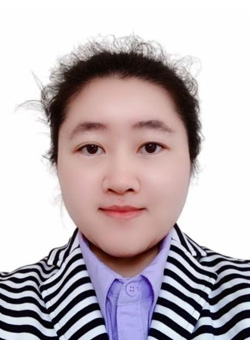
Dr. Lin Ling, Professor
School of Life Science and Technology, the Key Laboratory of Developmental Genes and Human Disease, Southeast University, Nanjing, China
Biography: Dr. Lin Ling is a Professor at Southeast University. She earned her Ph.D. in Aerospace Astronautics and Biological Technology from Northwestern Polytechnical University and the Center for Excellence in Molecular Plant Sciences, Chinese Academy of Sciences in 2015. From 2015 to 2022, she worked as a postdoctoral fellow and project scientist in the Department of Entomology at the University of California, Riverside. She is a recipient of the National High-Level Young Talent award. Her research focuses on deciphering molecular targets and regulatory networks for pest control by integrating genome editing, microRNA regulation, signaling pathway crosstalk, hormone interactions, tissue communication, precise in vivo protein localization, and cross-disciplinary omics big data. Using Aedes aegypti as a core model, she investigates the molecular mechanisms of coordinated development, metabolism, and reproduction, with an emphasis on hormonal signaling, nutrient sensing, and non-coding RNA networks. She has published over 30 papers, including first/corresponding author works in PNAS (2017, 2018, 2021, 2023), Cell Reports (2025), and has garnered over 1,000 citations. Her research is supported by the National Natural Science Foundation of China.
Topic: miRNA-GABA Influences Female Aedes Aegypti Reproduction by Modulating Midgut Homeostasis
Abstract: The robust reproductive plasticity of female Aedes aegypti mosquitoes following blood-feeding exacerbates the transmission of mosquito-borne viruses, imposing a heavy burden on global public health. The blood-feeding-initiated post-blood meal (PBM) phase activates coordinated changes in the midgut-fat body-ovary axis, storing nutrients for female reproductive behaviors. MicroRNAs (miRNAs) precisely control gene expression through a post-transcriptional regulatory mechanism that targets mRNAs. To explore the impact of endogenous miRNAs on the digestion kinetics of exogenous hemoglobin (HGB), this study combined digestive physiology assays, sRNA-seq, CRISPR-Cas9, RNA interference (RNAi), in vitro neurotransmitter delivery to the digestive tract, and molecular biology assays. The results demonstrated that the miR-7-glutamate decarboxylase (GAD)-γ-aminobutyric acid (GABA) signaling axis mediates the reproductive cascade of the midgut-fat body-ovary axis by regulating midgut homeostasis. Through high-throughput sRNA-seq combined with digestion rate measurements, we identified miR-7 as a key regulator of the HGB digestion rate. Dual-luciferase reporter gene assays and fluorescence in situ hybridization (FISH) co-localization experiments confirmed that GAD is a target gene of miR-7. CRISPR-Cas9-mediated miR-7 knockout combined with GAD RNAi rescue experiments demonstrated that miR-7 deficiency disrupts the midgut glutamate-GABA homeostasis by derepressing GAD. High levels of GABA inhibit the secretion of digestive proteases by promoting midgut cell apoptosis. This endocrine imbalance is directly manifested as delayed blood-meal processing, secondary to impaired lipid storage and arrested ovarian development, ultimately reducing reproductive fitness. The in vitro experiment of delivering GABA to the digestive tract further verified the tissue-specificity of the above-mentioned view. Our study identified an important miRNA that affects reproductive output by regulating digestion, providing key targets for interventions aimed at blocking the transmission of arboviruses.
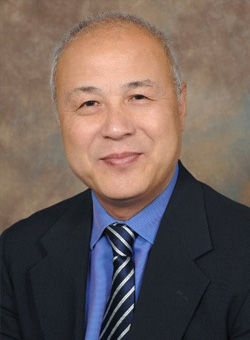
Dr. Xiaoyang Qi, Professor
Department of Internal Medicine, College of Medicine, University of Cincinnati, Cincinnati, USA
Biography: Dr. Xiaoyang Qi is a professor in the Division of Hematology-Oncology in the Department of Internal Medicine at the University of Cincinnati College of Medicine. The laboratory of Dr. Qi focuses on cell membrane phospholipids and proteins as specific therapeutic targets and diagnostic biomarkers for cancer and genetic diseases. His research is focused on developing a new saposin C (SapC) coupled dioleoylphosphatidylserine (DOPS) nanovesicle which has the potential to offer a targeted, potent, broad, and safe therapeutic agent for cancer patients.
Topic: Cancer Immunotherapy: Impeding Hsp70–TLR2 Axis for MerTK downregulation
Abstract: Despite significant advancements in cancer treatment, a major challenge remains in overcoming the immunosuppressive tumor microenvironment (TME) that hinders effective anti-tumor immunity. Immunosuppressive M2 macrophages (MΦs) in the TME facilitate escape from immune surveillance and promote tumor growth. One key player in this suppression is MerTK (Myeloid-epithelial-reproductive tyrosine kinase), which promotes tumor immune evasion through various mechanisms. This study investigates a novel therapeutic approach centered on interrupting the interaction between cancer-secreted heat shock protein 70 (Hsp70) and Toll-like receptor 2 (TLR2) to downregulate MerTK expression and reverse immune tolerance. Hsp70, often found on the surface of tumor cells, engages with TLR2 on immune cells, initiating signaling cascades that ultimately lead to increased MerTK expression and the promotion of a pro-tumoral phenotype. By employing specific lipid vesicles (LVs) to impede the Hsp70–TLR2 axis, we hypothesized that the downstream signaling can be interrupted, thereby reducing MerTK levels. Our findings demonstrate that sequestering of cancer-secreted Hsp70 by tumor-targeting saposin C (SapC)-based LVs to block the M2 MΦ polarization through disrupting the Hsp70-TLR2-MerTK interaction. These results suggest that targeting the Hsp70–TLR2 axis represents a novel and effective strategy for downregulating MerTK, offering a potent adjunct to existing immunotherapies and providing a potential pathway to overcome resistance in a broad range of cancers.
2026 13th International Conference on Biology and Life Sciences (ICBLS2026) sincerely invites specialists and scholars to join the conferences and become the keynote speakers.
Benefits of Keynote Speakers
1. Attend the conference for free
2. Publish a paper free of charge
3. Free meals during the conference
4. Free one-day tour of Suzhou
5. Official certificate of keynote speaker.
Experts with doctoral degrees and associate professor titles or above will be preferred as keynote speakers. If you are interested in becoming a Keynote Speaker, please make an application either way in the following.
If you only have a primary idea about the keynote speech, you can fill in your personal information in advance.
If you have a clear topic about the keynote speech you would like to deliver, please click here to download the proposal form and submit your application package to keynotespeaker@conference123.net.
Your application package should include following documents:
1. A completed proposal form
2. Your curriculum vitae
© Copyright 2015-2026 13th International Conference on Biology and Life Sciences - All rights reserved.

 X (formerly Twitter)
 LinkedIn